

school holiday survival guide for parents
School holidays can be great, but they can also bring more boredom, screen time, sibling conflict and big emotions. Here are eight practical ways to make the break feel a little easier for the whole family.

why does everything turn into an argument with my teen?
Does every small conversation with your teen somehow turn into an argument? Here’s what might be happening underneath the anger, and a few practical ways to lower the temperature without giving up the boundary.

when you don’t like the parent you’re becoming.
When parenting starts to feel like one argument after another, it can be hard not to question yourself. This blog explores why parents become reactive, how patterns form, and how small changes can help bring things back to steady.

when parenting starts feeling like guesswork
Parenting can start to feel like guesswork when the things that used to work suddenly stop working. Here’s why that happens, what might be sitting underneath the behaviour, and why you don’t have to figure it all out alone.
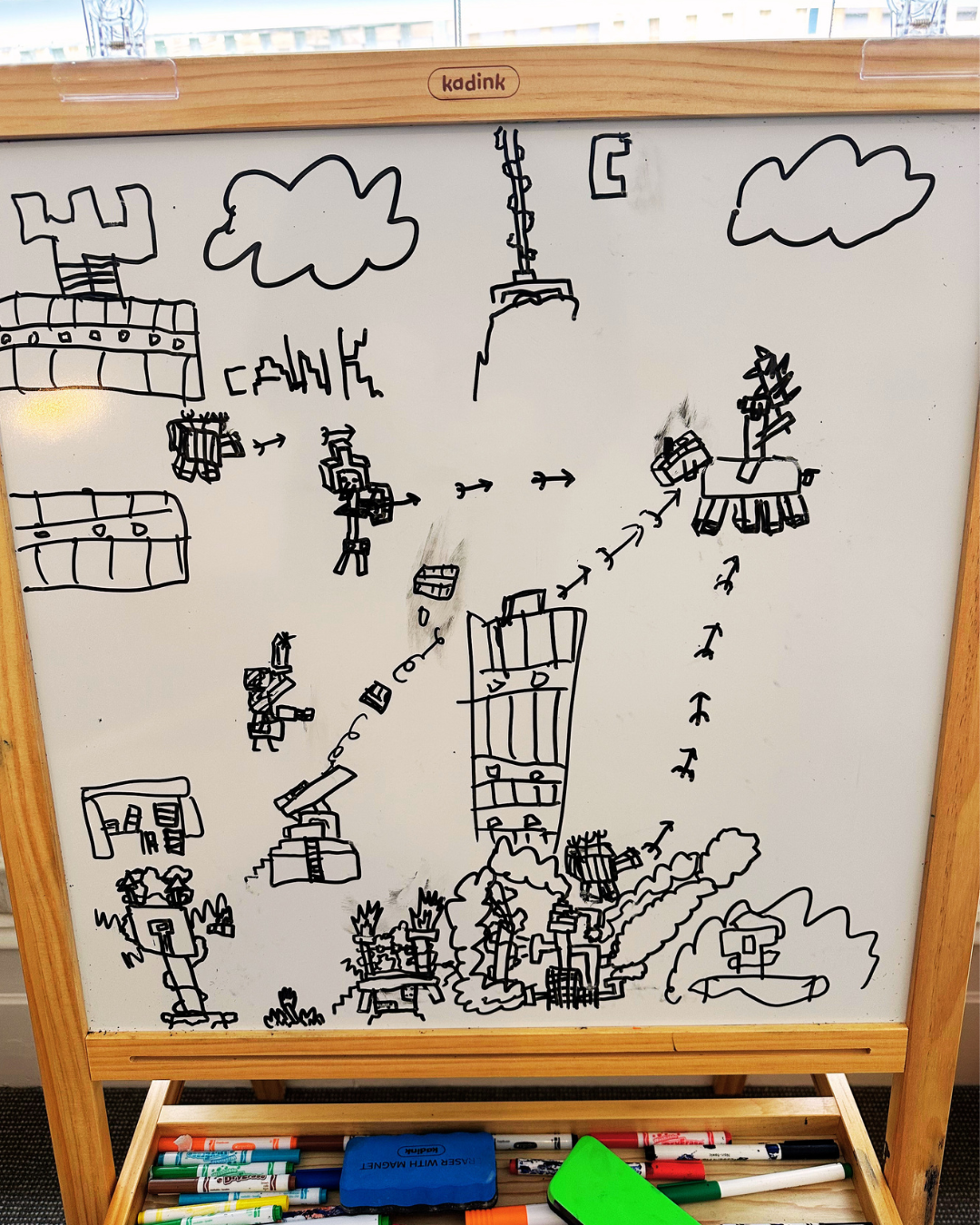
from minecraft to meaning: when therapy doesn’t feel like therapy.
What if therapy didn’t always look like therapy? From Minecraft and Lego to footy, chess and Play-Doh, stepping into a young person’s world can create the connection, understanding and growth that traditional sit-down counselling sometimes misses.

I don’t recognise my child anymore.
Your child seems different lately. More angry, withdrawn, anxious or just not themselves. Here’s how to look beneath the behaviour, notice what might be changing, and stay connected without rushing to fix it.

the day a young person stops telling you things
Young people rarely stop talking to adults all at once. It happens slowly, often after they learn that honesty leads to fixing, judgement or a lecture. Here’s how parents and professionals can create the kind of relationship where young people feel safe enough to keep talking.

your child could be getting bullied and never tell you. here’s why.
Bullying does not always look obvious. Sometimes it shows up as anger, school refusal, silence, friendship changes or a child who simply seems less like themselves. Here’s why kids often do not tell parents what is happening, and how to respond when they finally do.

how to work with kids with anxiety (without making the anxiety bigger).
Supporting an anxious child is not always about making the anxiety disappear. Sometimes the most important first step is connection. In this article, I share what I have learned from working with anxious kids, including why behaviour can be misleading, how reassurance can sometimes keep anxiety going, and why small brave steps matter more than forcing big breakthroughs.

how do I get my teenager to counselling when they don’t want to go?
Your teenager may need support but want nothing to do with counselling. Learn how to reduce pressure, offer meaningful choice and help a reluctant teenager take the first step.

families shouldn’t have to connect the dots
Families are often left trying to connect schools, counsellors, health professionals and community services themselves. Drawing on my years supporting young people and families at Time for Youth, now part of Meli Geelong, I explore why respectful collaboration leads to clearer, more consistent and more human support.

why won’t my kid talk to me?
Your child says “nothing” or “I don’t know,” but you can tell something is going on. Here’s why children sometimes shut down and how parents can create safer opportunities for them to open up.

when one child becomes the family’s alarm system
When one child becomes the focus of the family, it is easy to assume they are the problem. But sometimes, their behaviour is actually revealing a bigger pattern happening around them.

why is my child’s anxiety worse at night?
Does your child seem fine during the day, only for every worry to appear at bedtime? Learn why anxiety can feel worse at night and how parents can help without getting stuck in an exhausting reassurance cycle.

why do I feel guilty every time I rest?
Many parents know they need rest but still feel guilty when they stop. This blog explores why that guilt shows up and shares three practical ways to make self-care feel more manageable.

why is my kid so good for everyone else… but me?
Your child’s teacher says they are polite. Other parents say they are a delight. Then they get home and every small request becomes an argument. Here is why children often save their hardest behaviour for home, and what parents can do to build more respect without losing the connection.

the cost of carrying it alone… and 5 ways that help.
Do you feel like you’re on your own in parenting? That no one gets it? Perhaps no one sees your struggle. If that’s you, read on.

Why Is My Teen Lying to Me?
Why does your teenager lie when the truth would barely have mattered? Teenage lying is often less about deception and more about avoiding conflict, shame or disappointment. This blog looks at what may be sitting underneath the behaviour and how parents can begin rebuilding trust.

Why Is My Child So Defiant?
If every small request turns into an argument, there may be more going on than simple defiance. Here is how parents can hold firm boundaries, reduce power struggles and help their child respond differently.

I Lost My Temper With My Child. Have I Made Things Worse?
Losing your temper does not make you a bad parent. What matters is how you repair the moment, hold the boundary and help your family break the cycle.